
Baltimore Weekly Arrest Records
There is no conventional daily blotter here with names and booking photos. The department's strongest multi-day source is the BPD Arrests ArcGIS layer. Metadata says it refreshes weekly. Each row carries arrest date and time, charge, and location fields. You can study several days at once across the city. Names and photos stay out of the public schema. Think of it as an arrest-data log, not a person finder.
The BPD Open Data landing page notes that the ComStat executive summary updates on Thursdays. That cadence suits weekly analysis. It does not pin every arrest row to a fixed posting hour. It guarantees no seven-day booking-photo blotter either.
Read Baltimore Blotter Data
Start with the official layer and search by time and place, not by name. Its fields are built for spotting patterns and locating an event in Baltimore. Need a person's actual booking record? Take the arrest or incident number into a police records request. Then match the result to the court case.
- Open the official BPD Arrests dataset from the police Open Data page.
- Choose an arrest-date span broad enough to include delayed weekly updates.
- Narrow by district, post, neighborhood, arrest location, offense, or charge description.
- Record the arrest number, incident number, date, and location for the likely row.
- Use BPD’s PIA route for an identifiable arrest record, then use Maryland Case Search for disposition.
For a fresh arrest that may not have hit the weekly layer yet, the Arrests Last 24 Hours page lays out the same-day fallback chain.
Baltimore Arrest Log Fields
Trust the current metadata over write-ups describing Baltimore's older Socrata-era data. It names the fields exposed today and confirms the weekly refresh. A "charge" field records what police alleged at the arrest; the disposition is whatever the court later decides.
| Field group | Public content |
|---|---|
| Identifiers | Incident number, arrest number, and internal row identifier |
| Timing | Arrest date and time |
| Charge | Incident offense, charge code, and charge description |
| Geography | Arrest location, incident location, district, post, neighborhood, and geolocation |
| Demographics | Age, gender, and race |
| Not published | No public name or booking-photo field in the current layer |
The official ArcGIS metadata page documents the schema without showing any gallery of people.
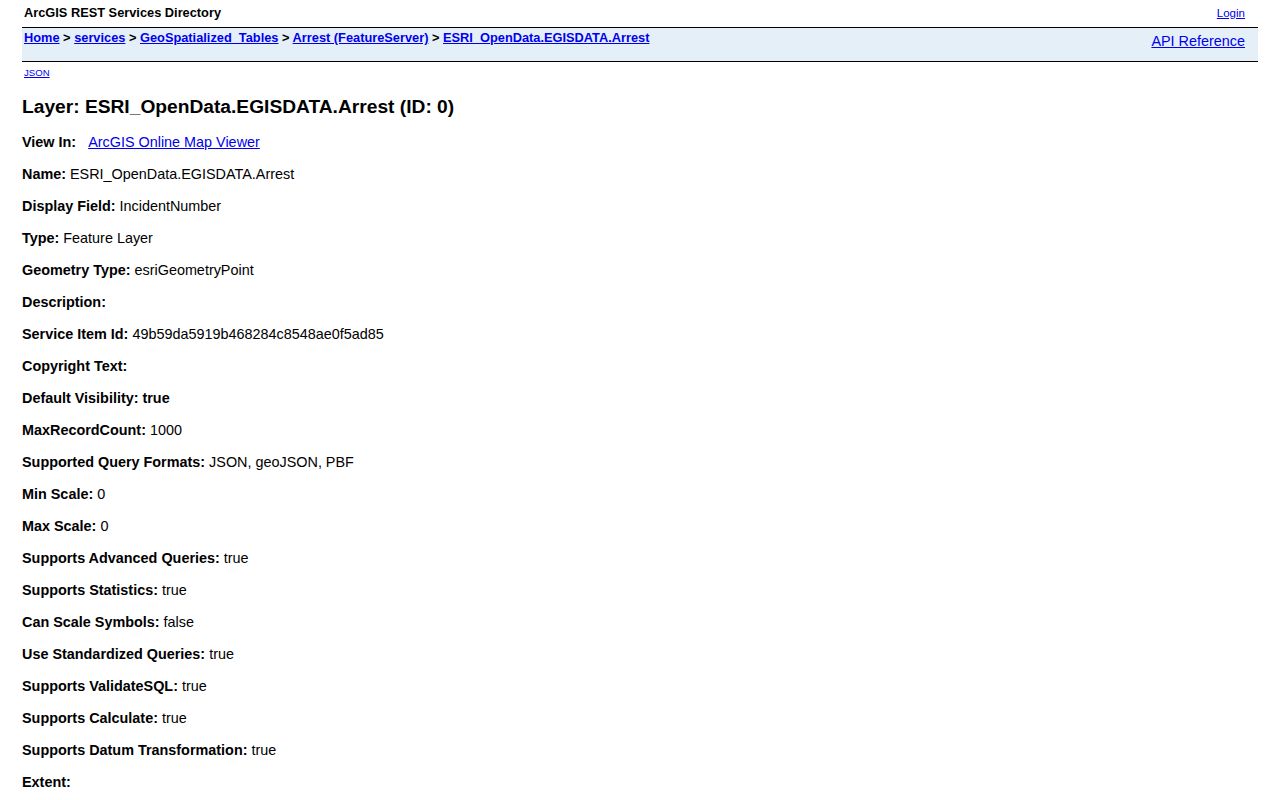
Check column meanings and refresh language there before reading much into any single arrest-data row.
Baltimore Weekend Posting Gaps
A weekly refresh can bundle records from several days, weekends included. No published rule sets a weekday for weekend arrests. Nor is there a fixed holiday delay. Rows appearing in a cluster does not mean the arrests all happened at once. Always place an event by the arrest date and time field, never the upload date.
Central Booking raises the same caution. Police may log an arrest before DPSCS finishes intake. Someone can also be released before any custody locator picks them up. So treat the blotter as one clue among custody and court sources. Do not read it as a live head count.
Baltimore Arrest News Sources
Start official. The BPD newsroom posts dated arrest announcements tied to notable investigations or warrant operations. A release may name the person, summarize the charges, and note transport to Central Booking. Coverage stays selective.
Local outlets add the next layer. WBAL-TV 11, The Baltimore Banner, CBS Baltimore, WBAL News, and The Baltimore Sun report arrest and court stories. Those stories draw from police releases, charging papers, or their own reporting. Images vary by story. None of these outlets holds the records. Coverage is never complete. Older stories may lag behind later court outcomes.
The WBAL-TV local news index shows what a story-based source looks like. It appears next to an arrest database.
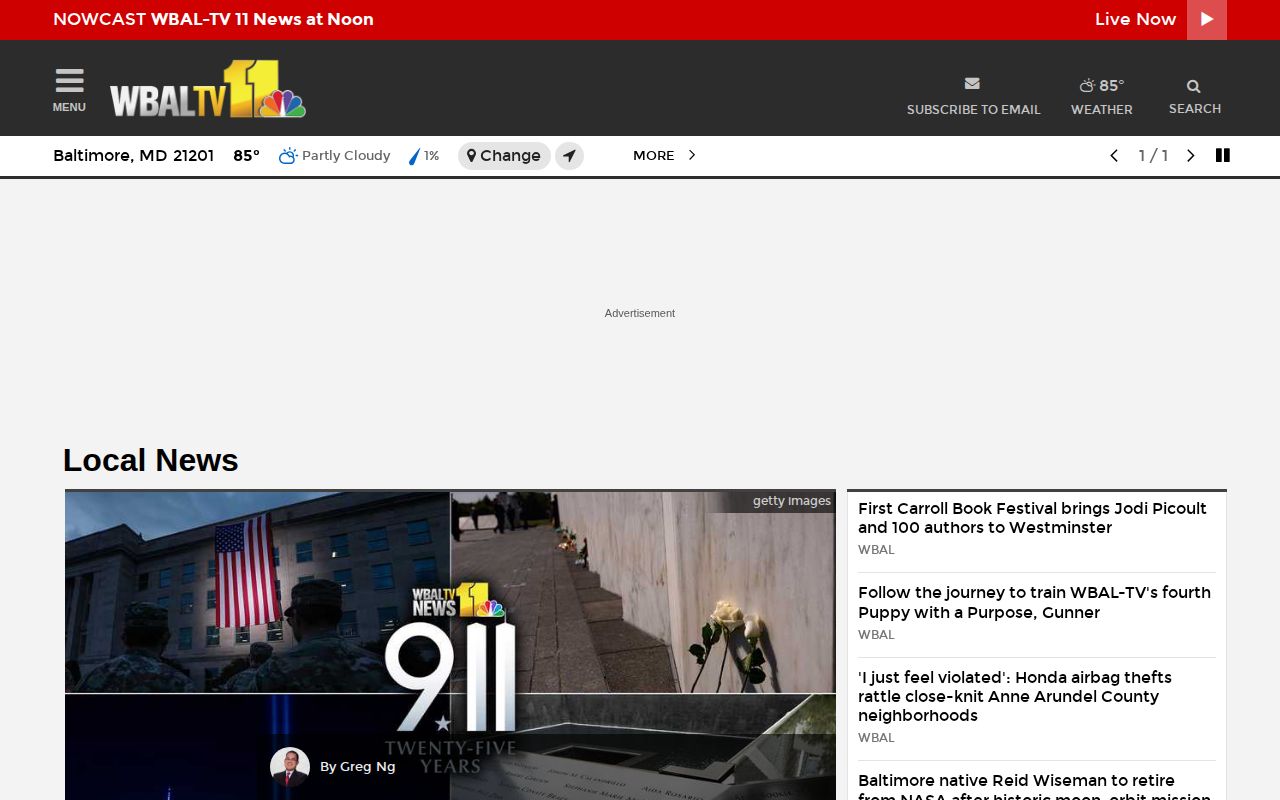
Use a story's date, named agency, and case details to track down the official police or court record.
Baltimore Arrest Record Archives
BPD sets no fixed roll-off horizon for the Arrests layer. Older rows may stay visible. That is not a promise of permanent online access. When a row you need is missing, send a PIA request to BPD. Ask for the retention schedule and item number if the agency says the file was destroyed or transferred.
Modern records may sit with BPD or DPSCS. They may move to the State Records Center, or eventually reach an archive, depending on series and date. Historical arrest indexes and old jail materials can live at Baltimore City Archives or Maryland State Archives. Those collections don't guarantee a booking photo survives either. Court files follow separate access rules. They can be obtained from the clerk when an online summary falls short.
The public Baltimore City police-records archive page walks through the historical route.
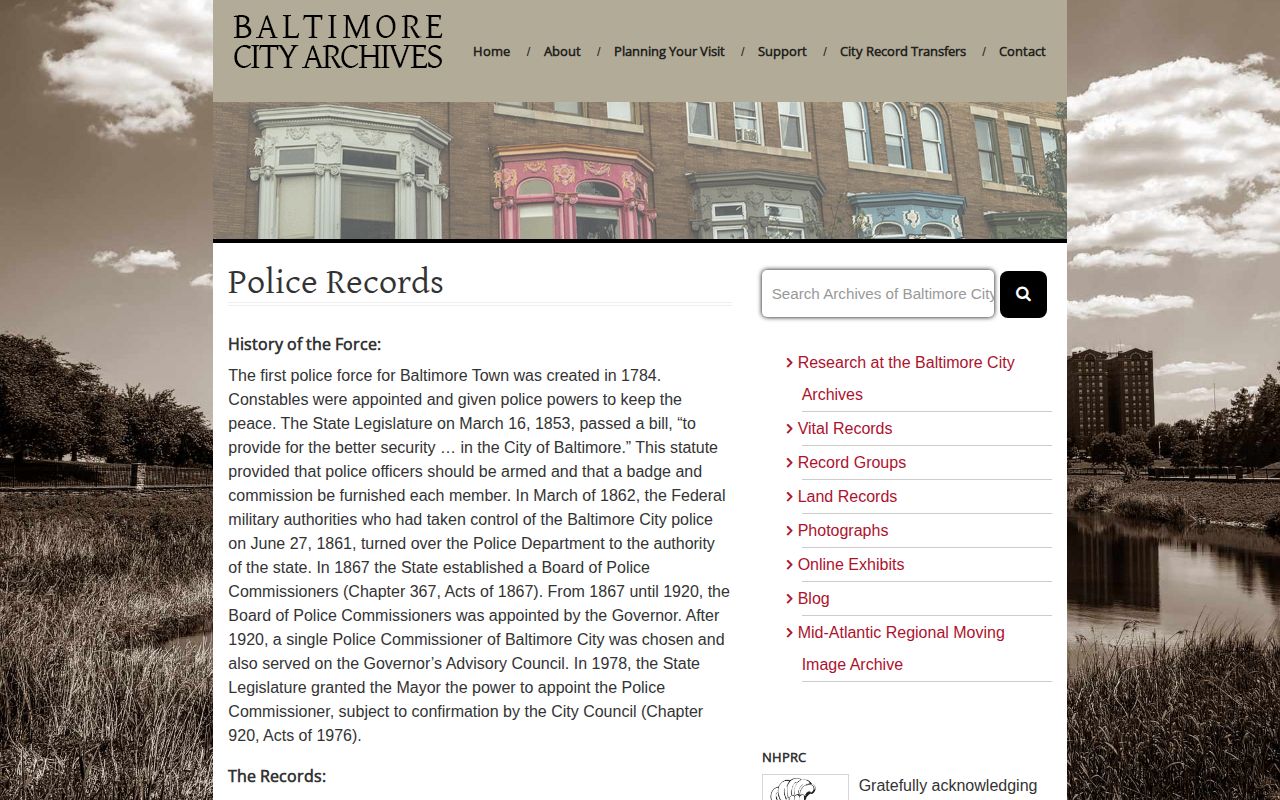
That archival path serves older record series, not a mirror of the current BPD blotter.
Verify Baltimore Arrest Outcomes
Arrest data captures what police recorded at the arrest stage. Maryland Case Search may later show filings, hearings, and the disposition. That disposition is the court's outcome. It can differ from the initial charge. Sealed, shielded, expunged, juvenile, or older matters stay offline.
A blank custody result can mean several things. The person may be free, the record may lag, or the case may sit in federal hands. Keep three files straight: the arrest record, the custody record, and the court record.
Request Baltimore Blotter Records
No name, no problem. A weekly blotter entry can anchor a request through its arrest number, incident number, date and time, charge, and location. BPD's Office of Legal Affairs takes PIA requests at DCU@baltimorepolice.org. Its PIA representative is listed at 410-396-2495. Ask for the arrest report, booking record, or booking photo if it exists and can be released. The agency will not build a new analysis for you.
Watch the fee question. The $10 search fee on the old police-report form is not a booking-photo price. The current PIA page posts no fixed fee or turnaround for that image. Request an estimate and electronic delivery. If part of a file is withheld, ask for the statute behind each exemption. Ask for every nonexempt piece too. DPSCS holds its own route for DPDS material. Police and local records must go to their custodians.
Baltimore City Arrest Boundaries
Baltimore is tricky geography. The city is independent, not part of Baltimore County. A story labeled only "Baltimore" could belong to the county, the city, or the state. Before matching anything to this blotter, confirm three things. Look for BPD as the arresting agency, Baltimore City as the court jurisdiction, and Central Booking as the processing path.
Unofficial aggregators add risk. None of the big unofficial sites covers the city. RecentlyBooked, Arrests.org, Mugshots.com, Mugshots.zone, and Busted Newspaper all lack a Baltimore City section. A Mugshots.com result for Baltimore County is a near-match, not city coverage. That gap beats a link to the wrong jurisdiction. Official BPD, DPDS, court, and archive records stay at the top of the hierarchy.
Local journalism still helps. Note a story's date, the alleged event, the named agency, and any cited court documents. Then track down the official record and the later disposition. Editorial judgment drives news cadence, so story counts never measure a week of Baltimore arrests.
The Sheriff's Office causes its own confusion. It serves court orders, guards courtrooms, and handles warrant functions. It does not run Central Booking or publish the arrest layer. BPD creates the public arrest data, DPDS handles intake, and the Judiciary keeps court results. A solid blotter search keeps those roles apart.
Other agencies complicate things too. Campus police or another force may make the arrest. BPD's layer may then miss part of the case. Pull the true arresting agency from the report or docket, then send the request there. A Baltimore City warrant can still route a person through DPDS after another agency's arrest. Jurisdiction and booking location answer different questions.